

You've gotten very good at holding it together.
That’s exactly the problem.
I don't just study this work. I've lived it.
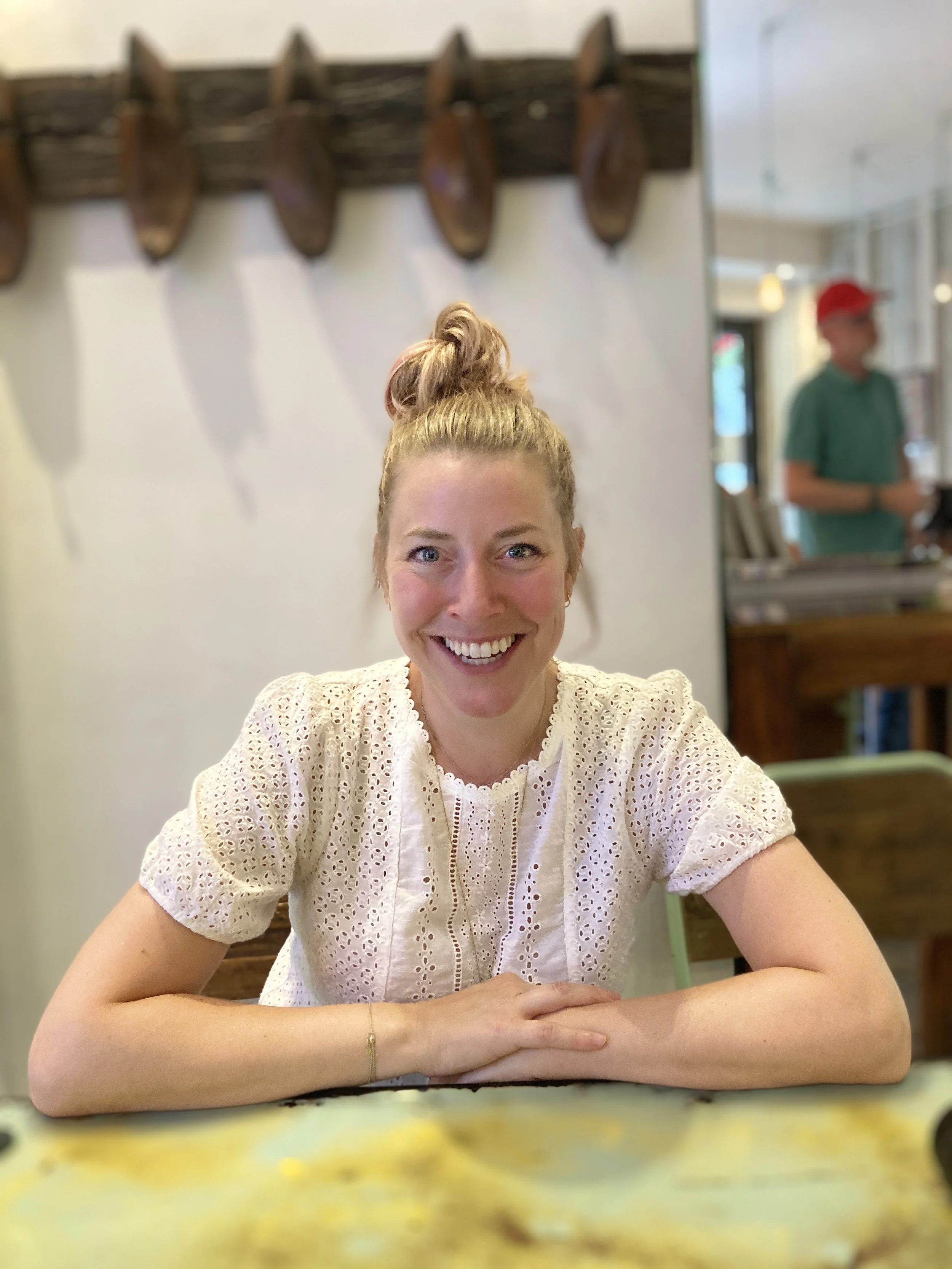
I spent years ignoring my body until it stopped me completely — chronic pain, repeated injury, a crisis I couldn't push through. That experience reshaped how I understand healing, and it's the foundation of everything I bring into the therapy room.
I know this experience from the inside. I've been capable, composed, and quietly falling apart. I know what it actually takes to turn that around.
No protocol, no one-size-fits-all. Every session follows what your nervous system needs that day — sometimes somatic work, sometimes parts work, always at your pace.
Your body is part of the work. Talk alone rarely reaches this kind of exhaustion. I bring somatic therapy, Polyvagal-informed practice, and Brainspotting into our sessions.
You'll be met, not managed. No performing, no explaining yourself into being understood — just genuine presence.
This is specific work. I work with high-achieving, overfunctioning women. You won't need to explain the backstory. I already understand the terrain.
THE FOUNDATION
Integrative, body-based,
and built around you.
I work with high-functioning women stuck in survival mode — over-functioning, chronically overwhelmed, disconnected from themselves. My approach meets your nervous system where it actually is, not where productivity culture says it should be.
-
My approach is integrative and trauma-informed, weaving together somatic therapy, parts work, mindfulness-based practices, and acceptance-based approaches (ACT), with influences from CBT, psychodynamic understanding, and Polyvagal Theory.
Rather than working from a single model, I follow the intelligence of your nervous system—supporting a gradual return to safety, regulation, and internal connection. Therapy is paced and collaborative, honoring what feels resourced and possible in each moment.
Together, we focus on helping you move out of survival patterns and into greater presence, flexibility, and self-trust.
-
Healing unfolds in relationship.
This work is grounded in empathy, authenticity, and unconditional positive regard, creating a space where you don’t have to perform, fix, or explain yourself. From this foundation, we cultivate self-understanding and a more supportive internal voice.
Compassion-focused practices help soften self-criticism and shame, strengthening your ability to meet difficult emotions with care rather than judgment.
-
A core part of this work involves the connection between mind, body, and lived experience.
Using a somatic and Polyvagal-informed lens, we explore how stress, trauma, and emotion show up in the body—not as problems to eliminate, but as adaptive responses that once helped you survive.
This process supports regulation, grounding, and a growing capacity for ease, presence, and felt safety.
-
Rather than focusing solely on symptom reduction, we also explore what matters most to you.
Using acceptance-based and mindfulness tools, we work on building psychological flexibility—the ability to stay present with internal experience while moving toward a life aligned with your values.
This supports meaningful change that is not driven by pressure or perfectionism, but by clarity and choice.
-
I hold therapy within a culturally responsive and feminist-informed framework that recognizes how identity, culture, and systemic pressures shape emotional experience.
This includes attention to gender expectations, relational dynamics, intergenerational patterns, and the impact of broader systems of power. Therapy is collaborative, empowering, and attuned to the full context of your lived experience.

A few small steps is all it takes
001
Free 15-Min Call A brief, no-pressure conversation to see if we're a good fit.
002
First Session We go deeper — your history, what you're hoping to shift, and what's feeling stuck.
003
Ongoing Sessions Weekly 50-minute virtual sessions. We tune into your body, explore patterns, and build practical tools.
004
Between Sessions The work continues in daily life. Practices, reflections, and tools from our sessions extend into your body and your days — making change feel real and lasting.
What gets called anxiety is often accurate perception.
What gets called sensitivity is often precise attunement.
What gets called burnout is often the body refusing to keep performing.
Your nervous system isn't malfunctioning. It's telling the truth about the conditions you've been living inside.